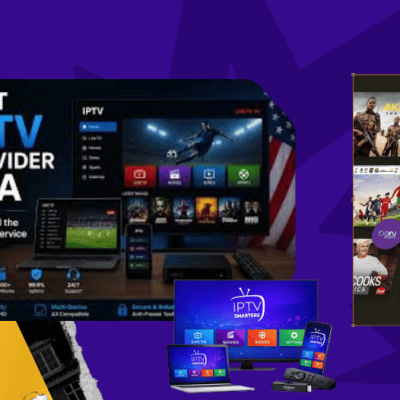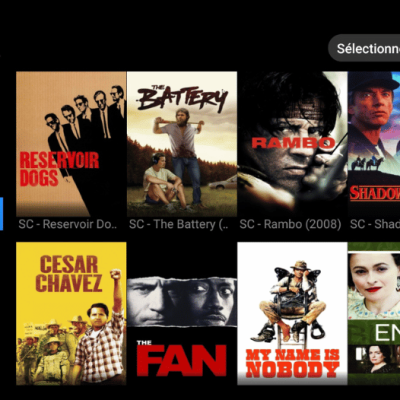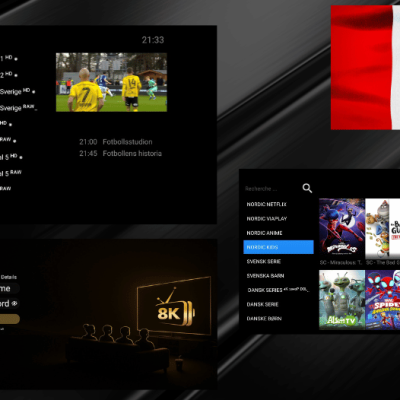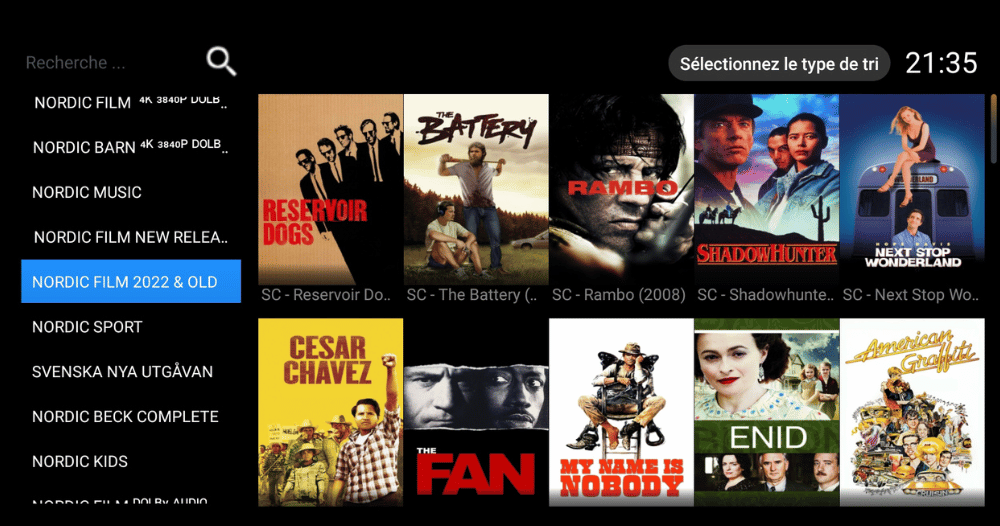
Understanding IPTV: What It Is and How It Works
Best IPTV Service ,The way we consume media has undergone a profound transformation. Traditional cable subscriptions, once dominant, are rapidly being replaced by more flexible and often more affordable alternatives.
At the forefront of this shift is Internet Protocol Television (IPTV), a technology that delivers television content over IP networks. For tech-savvy individuals eager to cut the cord, understanding IPTV is the first step towards a smarter, more personalized entertainment experience.
Defining IPTV: More Than Just Internet TV
At its core, IPTV uses the internet to deliver television programming to you. Unlike traditional television, which transmits programs via broadcast, satellite, or cable, IPTV uses standard internet protocols.
This means that instead of receiving a continuous signal, content is broken down into small data packets and sent over your internet connection.
This method allows for a more interactive and on-demand viewing experience. It’s not simply streaming TV over the internet; it’s a dedicated system designed for robust content delivery.
How IPTV Delivers Content
IPTV operates using three primary types of content delivery:
- Live Television: This is the most common form, allowing viewers to watch live programs as they are broadcast, much like traditional TV.
- Time-Shifted Television: This feature lets you access previously broadcasted shows, often within a specified timeframe (e.g., the last 7 days). It often includes catch-up TV and start-over functionality.
- Video-on-Demand (VoD): This is similar to services like Netflix, where users can browse and select programs from a catalog to watch at any time.
The content is compressed, encrypted, and then streamed to your device using a specific protocol. This requires reliable servers and robust network infrastructure on the provider’s side.
IPTV vs. Traditional Cable vs. Standard Streaming
While IPTV, traditional cable, and standard streaming services all deliver video content, their underlying technologies and user experiences differ significantly.
- Traditional Cable TV: Relies on coaxial cables to transmit signals. It offers a fixed schedule of channels and often comes with bundled services like internet and phone. Customization is limited, and costs can be high.
- Standard Streaming Services (e.g., Netflix, Hulu without Live TV): Use the internet to deliver a library of on-demand content. They are highly flexible and usually subscription-based, but don’t typically offer live linear TV channels.
- IPTV: Combines elements of both. It uses the internet like streaming services but often provides a comprehensive live TV channel lineup, sometimes alongside VoD. The key difference lies in the dedicated network infrastructure or optimized delivery for TV content, aiming for higher quality and reliability than general internet streaming.
The Cord-Cutting Revolution and IPTV’s Role
The “cord-cutting” phenomenon, where consumers cancel traditional pay-TV subscriptions in favor of internet-based alternatives, has been gaining immense traction in the US. In 2025, studies indicated that over 40% of US households had cut the cord, with millions more expected to follow.
IPTV services, especially legitimate ones like YouTube TV and Hulu Live, are central to this revolution. They offer a compelling blend of live sports, news, and entertainment, often at a lower cost and with greater flexibility than cable.
Key Features to Look for in a Top-Tier IPTV Service
Choosing the best IPTV service requires a discerning eye. It’s not just about the lowest price; it’s about a combination of features that guarantee a superior viewing experience. Here’s what discerning users should prioritize.
Channel Variety and Content Library
This is often the primary draw for many users. A top-tier IPTV service should offer:
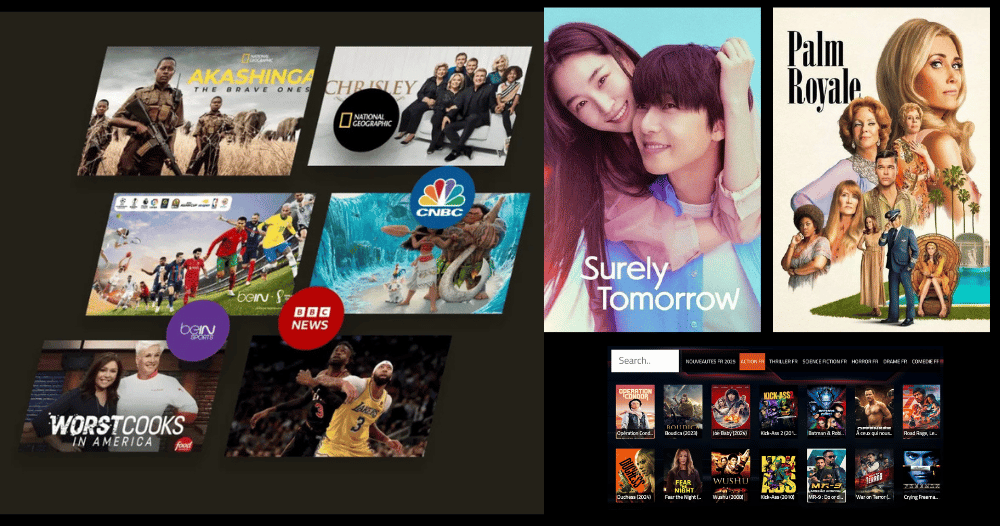
- Extensive Channel Lineup: Thousands of channels from various countries and genres (sports, movies, news, international).
- Niche Content: Access to specialized sports packages, international language channels, or specific interest groups.
- Regular Updates: A commitment from the provider to continuously update and expand their content offerings.
Always check if the service includes the specific channels important to you.

Streaming Quality: UHD, 4K, and Beyond
In today’s high-definition world, visual quality is paramount.
- UHD/4K Availability: Support for ultra-high-definition content for compatible TVs, offering incredible detail and clarity.
- HD/FHD Standards: Consistent delivery of 1080p and 720p for all channels.
- Adaptive Bitrate Streaming: The ability to adjust video quality based on your internet speed to minimize buffering.
A service that consistently buffers or provides blurry images, even at lower resolutions, is not worth considering.
Video-on-Demand (VoD) and Catch-up TV
Beyond live channels, a rich VoD library and robust catch-up features enhance the overall offering.
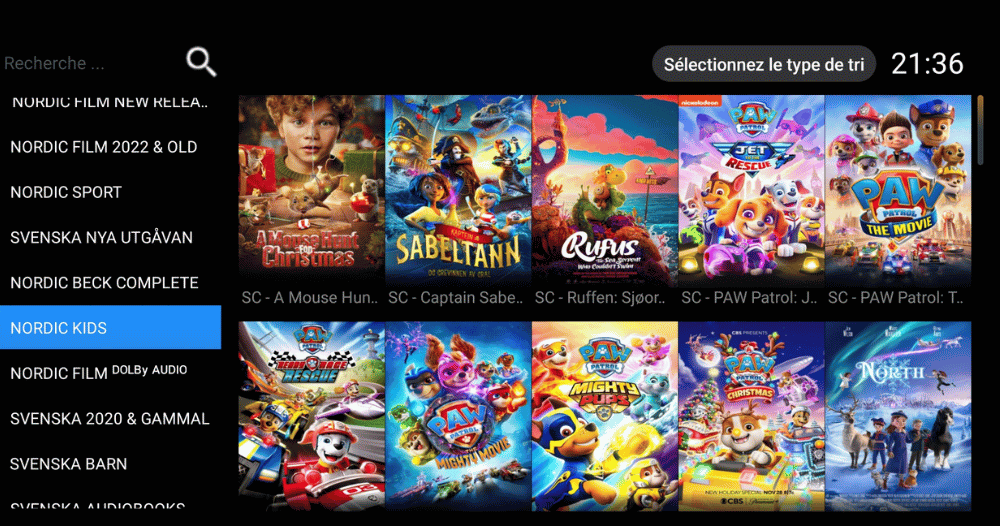
- Large VoD Library: A substantial collection of movies, TV shows, and documentaries available on demand.
- Updated Content: Regular additions of new releases and popular series.
- Catch-up TV functionality: Ability to watch programs broadcasted in the past (e.g., the last 24 hours to 7 days).
This gives you the flexibility to watch what you want, when you want, without strict adherence to broadcast schedules.
Electronic Program Guide (EPG) and User Interface
A good EPG and intuitive UI are critical for navigation and discovery.
- Comprehensive EPG: A detailed, easy-to-read program guide with accurate scheduling and show descriptions.
- User-Friendly Interface: An intuitive layout that makes it easy to browse channels, find VoD content, and manage settings.
- Search Functionality: Efficient search tools to quickly locate specific channels or programs.
A cluttered or confusing interface can detract significantly from the viewing experience.
Multi-Device Support and Simultaneous Streams
Flexibility in how and where you watch is a major advantage of IPTV.
- Broad Device Compatibility: Support for various devices, including smart TVs, streaming sticks (Firestick, Roku), smartphones, tablets, computers, and dedicated IPTV boxes.
- Simultaneous Streams: The ability to watch on multiple devices at the same time under one subscription. This is crucial for households with diverse viewing preferences.
Check the number of simultaneous connections allowed, as this varies widely between providers.
VPN Compatibility and Geo-Restrictions
For some users, unblocking content or ensuring privacy is essential.
- VPN-Friendly: The service should work seamlessly when connected through a Virtual Private Network (VPN).
- Geo-Restriction Circumvention: A VPN allows you to access content that might be geographically restricted, expanding your viewing options.
- Privacy: Using a VPN adds an extra layer of anonymity to your online activities.
Always consider a reputable VPN service if you intend to optimize your IPTV experience in this manner.
Server Reliability and Uptime Guarantees
Nothing is more frustrating than a service that constantly goes down or freezes.
- High Uptime Guarantee: Look for providers boasting 99.9% uptime or higher. This indicates robust server infrastructure and a commitment to continuous service.
- Quality Infrastructure: Reliable servers mean less buffering, fewer interruptions, and a smoother viewing experience.
- Redundancy: Providers with redundant servers are better equipped to handle outages and high traffic.
A trial period is invaluable here to test performance during peak hours.
Customer Support Excellence
Even the best services can have issues, and when they do, responsive support is critical.
- Multiple Contact Channels: Email, live chat, phone support, and a comprehensive FAQ section.
- Fast Response Times: Prompt and helpful responses to inquiries.
- Knowledgeable Staff: Support agents who can effectively diagnose and resolve technical issues.
Check reviews to gauge the quality of a provider’s customer service before committing.
Evaluating the Top IPTV Providers for 2025
Navigating the IPTV landscape can be complex, especially with a multitude of providers vying for your attention. For US audiences, it’s crucial to understand the distinction between legitimate services and those operating in a legal gray area.
Identifying and Avoiding Illicit Services and Scams
The term “IPTV” is often broadly applied, sometimes encompassing services that operate without proper licensing. These “unofficial” or “illicit” services often offer +35 000 of channels and a massive VoD library for an incredibly low monthly fee. While tempting due to price and content volume, they carry significant risks:
- Reliability: These services often lack the robust infrastructure of legitimate providers. They are prone to constant buffering, frequent outages, and sudden discontinuations.
- Security Risks: Payment information and personal data might be at risk with shady providers.
- Malware/Adware: Some unofficial apps or websites can contain malicious software.
How to Identify a Potentially Illicit Service:
- Too Good to Be True Pricing: Extremely low monthly fees for an unfeasible number of channels.
- Demands for Cryptocurrency Payment: While not inherently suspicious, it’s common for less legitimate services due to anonymity.
- No Trial Period or Refund Policy: A red flag for services that expect to disappear.
- Offers “Every Channel Imaginable”: No single legitimate provider truly offers “every” channel globally due to licensing restrictions.
Cost Analysis: Monthly vs. Annual Subscriptions
IPTV services generally offer a clear pricing structure.
- Monthly Subscriptions: Provide flexibility, allowing you to cancel anytime. Ideal for testing a service or for short-term viewing needs. Generally higher cost per month than annual plans.
- Annual Subscriptions: Often come with a significant discount, reducing the overall yearly cost. Suitable if you’re committed to a service long-term. Be wary of annual commitments to unofficial services, as they might disappear without a refund.
For iptv services, annual plans can offer substantial savings. For unofficial services, it’s always safer to stick to monthly payments if you decide to take the risk.

Spotlight on Providers
The US market is dominated by several key players offering compelling IPTV experiences.
Beyond the Basics: Advanced IPTV Features and Customization
For power users and those seeking a truly tailored viewing experience, advanced IPTV features offer greater control and flexibility.
DVR Capabilities and Cloud Storage
Modern IPTV largely overcomes the limitations of traditional DVR.
- Cloud DVR: Instead of a physical box, your recordings are stored in the cloud. This means you can access them from any compatible device, anywhere with an internet connection.
- Storage Limits: Legitimate services often offer unlimited cloud DVR storage (e.g., YouTube TV) or a generous amount (e.g., 50-100+ hours with Hulu Live).
- Recording Windows: Some services might have limits on how long recordings are kept (e.g., 9 months).
- Simultaneous Recordings: The ability to record multiple shows at once without conflicts.
This feature is a game-changer for those who want to watch their favorite shows on their own schedule, free from broadcast times.
Custom Player Integration (e.g., Kodi, VLC)
Some IPTV services, particularly the more adaptable (and sometimes less official) ones, allow for integration with third-party media players.
- Kodi: A free and open-source media player software that allows users to play most streaming media, including videos, music, podcasts, and more. IPTV integration typically involves installing specific add-ons or configuring M3U playlists.
- VLC Media Player: A ubiquitous, free, and open-source portable cross-platform media player. It can play IPTV streams by opening network streams using an M3U playlist.
- Streamlined Experience: Using a custom player can offer a unified media experience, integrating live TV with your local media library.
- Enhanced Features: These players often provide advanced playback controls, customization options, and better support for various codecs.
This level of customization is appealing to tech-savvy users who prefer a single interface for all their media.
Parental Controls and Content Filtering
Essential for households with children, robust parental controls ensure a safe viewing environment.
- Content Restrictions: Ability to block specific channels or content based on rating (e.g., G, PG, R).
- PIN Protection: Requiring a PIN to access restricted content or make purchases.
- Time-Based Restrictions: Limiting viewing hours for certain profiles.
- Profile Management: Creating separate profiles for family members, each with tailored settings and viewing histories.
IPTV providers usually offer comprehensive, easy-to-configure parental control settings.
API Access for Third-Party Applications
While less common for the average user, some advanced IPTV providers or platforms offer API (Application Programming Interface) access.
- Developer Integration: Allows third-party developers or even advanced users to integrate the IPTV service with other smart home systems, custom applications, or home automation setups.
- Enhanced Functionality: Can enable custom scheduling, advanced statistics, or unique control mechanisms not available in the standard app.
- Smart Home Synergy: Imagine asking your smart assistant to “tune to ESPN” or “record the game” through a custom integration.
This feature is typically for tech enthusiasts and developers looking to push the boundaries of their media setup.
Troubleshooting Common IPTV Issues
Even with the best IPTV service, occasional hiccups can occur. Knowing how to diagnose and resolve common issues can save you frustration and get you back to your viewing quickly.
Buffering and Lagging Streams
This is perhaps the most common complaint and often points to internet-related problems.
- Check Internet Speed: Use an online speed test (e.g., Speedtest.net) to verify your internet download speed. For HD IPTV, you typically need at least 15-20 Mbps, and for 4K, 25-50 Mbps or more is recommended.
- Stable Connection: Wi-Fi can be less stable than a wired (Ethernet) connection. If possible, connect your IPTV device directly to your router.
- Router Reboot: A simple router and modem reboot can often clear network bottlenecks.
- Close Background Apps: Ensure no other devices or applications on your network are heavily consuming bandwidth (e.g., large downloads, online gaming).
- Provider Server Load: Sometimes, the issue might be on the provider’s end due to high server load. Contact support if the problem persists and your internet is fine.
- VPN Location: If using a VPN, try connecting to a server closer to your physical location or the IPTV server location.
“Service Not Available” Errors
This error message is frustrating as it can stem from several sources.
- Subscription Status: Double-check if your subscription is active and not expired.
- Login Credentials: Verify that your username and password are correct.
- Server Outage: The provider’s server might be temporarily down for maintenance or experiencing an unforeseen outage. Check the provider’s social media or status page.
- Geographical Restrictions: If you’ve recently traveled or your IP address has changed, you might be blocked from accessing content. A VPN can help, but ensure you’re using it correctly.
- App/Device Issues: Try restarting your IPTV app or device. Clearing the app’s cache (if applicable) can also resolve minor glitches.
EPG Not Loading or Incorrect Data
An accurate Electronic Program Guide is crucial for navigation.
- Refresh EPG Data: Most IPTV apps have an option to manually refresh the EPG.
- Internet Connectivity: Ensure your device has a stable internet connection, as EPG data is downloaded.
- App Glitch: Try restarting the IPTV application or your streaming device.
- Provider Side: Occasionally, the EPG data stream might be temporarily down or incorrect on the provider’s end. This usually resolves itself quickly.
- Storage Space: On some devices, insufficient storage can prevent EPG data from properly downloading.
Device Compatibility Problems
While IPTV is designed to be flexible, some compatibility issues can arise.
- Outdated Firmware/OS: Ensure your streaming device’s operating system and the IPTV app are updated to their latest versions.
- Unsupported Device: Confirm your device is officially supported by the IPTV app or service. Some legacy devices might not be compatible.
- Insufficient Resources: Older or less powerful devices might struggle with high-definition streams, leading to poor performance. Consider a device upgrade if this is a recurring issue.
- DRM Issues: Digital Rights Management (DRM) can sometimes cause playback problems on certain unauthorized devices or setups.
When in doubt, a quick search on the provider’s support forum or a direct query to their customer service can often yield the specific solution.
Future of IPTV: Innovations and Trends
IPTV is not a static technology; it’s continuously evolving, driven by advancements in network infrastructure, AI, and user demands. The future promises even more personalized, immersive, and integrated viewing experiences.
AI and Personalization in IPTV
Artificial Intelligence is poised to revolutionize how we discover and consume content.
- Enhanced Recommendations: AI algorithms will learn individual viewing habits and preferences with greater accuracy, offering highly tailored content suggestions across live TV and VoD.
- Dynamic Ad Insertion: More targeted advertisements based on viewer demographics and interests, making ads more relevant (and potentially less intrusive).
- Proactive Troubleshooting: AI could monitor network performance and proactively identify and resolve potential buffering issues before they impact the user.
- Voice Control and Natural Language Processing: More sophisticated voice commands that understand complex queries, making content discovery effortless.
This personalization will make the vast ocean of content more manageable and enjoyable.
Integration with Smart Home Ecosystems
As smart homes become more prevalent, IPTV will become a central component of this interconnected environment.
- Seamless Control: Integration with smart home hubs and voice assistants (Alexa, Google Assistant, Apple HomeKit) for unified control of entertainment and home functions.
- Contextual Viewing: IPTV systems could adjust ambient lighting, shades, or even thermostat settings based on the content being watched (e.g., turning down lights for a movie).
- Notifications: Receiving pop-up notifications from smart home devices (e.g., doorbell camera alert) directly on your TV screen without interrupting your show.
The synergy between IPTV and smart home technology will create a truly immersive and convenient living space.
Interactive and Immersive Experiences
The passive viewing experience is set to become more engaging.
- Augmented Reality (AR) Overlays: Imagine watching a sports game and seeing real-time player stats or interactive graphics overlaid on your screen via AR.
- Multi-View Options: Offering viewers the choice to watch a single event from multiple camera angles, particularly impactful for sports.
- Audience Participation: Real-time polls, quizzes, and social media integration directly within the viewing interface, fostering a sense of community.
- Contextual Information: Pop-up bios of actors or details about locations shown on screen, enhancing the learning experience.
This shift towards interactivity will make television a more participatory medium.
5G and Enhanced Mobile IPTV
The rollout of 5G networks will unlock new possibilities for mobile IPTV.
- Ultra-Low Latency: Significantly reduced delays will enable smoother live streaming and real-time interactive features on mobile devices.
- Higher Bandwidth: Faster speeds will support high-quality 4K streaming even on the go, without buffering.
- Increased Reliability: More stable connections will mean fewer dropped streams, making mobile IPTV a truly dependable option.
5G will effectively turn any mobile device into a high-performance personal TV, perfect for on-the-go streaming and those with limited fixed internet options.
Choosing the Right IPTV Service for Your Needs
Selecting the best IPTV service isn’t a one-size-fits-all endeavor. Your ideal choice will depend on your specific viewing habits, priorities, and budget. By systematically evaluating your requirements against available options, you can make an informed decision.
Assess Your Viewing Habits
Before even looking at providers, take stock of what you watch.
- Must-Have Channels: List all the channels you absolutely cannot live without (e.g., local news, specific sports networks, premium movie channels).
- Content Type: Do you primarily watch live TV, sports, movies, TV series, or international content?
- Family Needs: Consider what different members of your household want to watch and if multi-device support is crucial.
- Time Commitment: How much time do you spend watching TV? This influences whether a large VoD library or extensive live channels are more important.
This self-assessment will narrow down your search considerably.
Prioritize Key Features
Based on your viewing habits, decide which of the previously discussed features are most important to you.
- Channel Variety: If international content or niche genres are key, prioritize services with broad global offerings.
- Streaming Quality: For large screen TVs and high-end setups, 4K/UHD support and consistent HD are non-negotiable.
- Reliability: For seamless viewing without interruptions, look for providers with proven uptime and robust infrastructure.
- User Interface and EPG: If you value ease of discovery and navigation, a polished UI is essential.
- DVR & VoD: If you often miss live broadcasts, comprehensive DVR and a deep VoD library are crucial.
- Customer Support: If you’re less tech-savvy or want peace of mind, excellent customer support should be a high priority.
Rank these features in order of importance to create a personalized checklist.
Trial Periods and Guarantees
Always leverage introductory offers to thoroughly test a service.
- Free Trials: Many legitimate IPTV services offer free trial periods (e.g., 7 days) that allow you to experience the full service before committing.
- Money-Back Guarantees: Some providers offer a short money-back guarantee period. Use this time to test channel performance, buffering, and support responsiveness.
- Avoid Long-Term Commitments: For providers operating in a legal gray area, stick to monthly subscriptions initially, or avoid them altogether, to minimize financial risk.
A trial is the single best way to assess actual performance on your specific devices and internet connection.
Read Reviews and Community Feedback
While individual experiences vary, aggregated feedback can offer valuable insights.
- Reputable Review Sites: Consult tech review sites and cord-cutting blogs (like this one!) for expert opinions and comparisons.
- User Forums and Social Media: Check user communities (e.g., Reddit subreddits focused on cord-cutting or specific IPTV services) for real-world feedback, common issues, and support experiences.
- Look for Trends: Don’t just focus on isolated complaints; look for recurring patterns in feedback regarding uptime, buffering, or customer service.
Remember to filter out overly enthusiastic or overly negative reviews, aiming for balanced perspectives. By combining your personal needs, feature priorities, trial experiences, and community feedback, you’ll be well-equipped to find the best IPTV service that aligns perfectly with your entertainment demands.
FAQs About IPTV Services
What internet speed do I need for IPTV?
For a smooth IPTV experience without buffering, a stable internet connection is crucial.
- Standard Definition (SD): 5-10 Mbps
- High Definition (HD/1080p): 15-25 Mbps
- Ultra High Definition (4K): 25-50 Mbps or higher
These are general recommendations. The actual speed needed can vary based on the service’s compression, the quality of the stream, and other devices using your network. A wired (Ethernet) connection is always preferred over Wi-Fi for stability.
Can I watch IPTV on multiple devices?
Yes, most IPTV services support watching on multiple devices, but the number of simultaneous streams allowed varies by provider and subscription plan. Legitimate services typically offer 2 to 5 simultaneous streams, with options to purchase more.
Unofficial services might claim higher numbers or even “unlimited,” but actual performance and reliability can suffer. Always check the provider’s terms of service regarding device limits and simultaneous connections.
Common supported devices include smart TVs, streaming sticks (Firestick, Roku), smartphones, tablets, computers, and gaming consoles.
How do I pay for an IPTV service safely?
For IPTV services (e.g., YouTube TV), payment is typically handled via major credit/debit cards, PayPal, or integrated billing through app stores (Google Play, Apple App Store), which are all secure methods. For unofficial or less regulated services,exercising caution is paramount. If you choose to subscribe to one, consider using:
- PayPal: Offers some buyer protection.
- Prepaid Credit Cards: Limits your exposure if there’s a security breach.
- Cryptocurrency: While offering anonymity, it provides no recourse in case of fraud or service shutdown. Avoid providing direct bank details to unverified providers.
What’s the difference between official and unofficial IPTV apps?
Official IPTV apps are developed and maintained by legitimate service providers (e.g., YouTube TV app, Hulu app). They are available on official app stores, are regularly updated, and adhere to strict security and content licensing standards.
Unofficial IPTV apps (sometimes called “third-party players” or “private apps”) are often used to access content from illicit IPTV providers. These apps might not be found on official app stores, can have security vulnerabilities, and may not be consistently updated.
Using them often comes with risks regarding privacy, malware, and reliability, in addition to the legality concerns of the content source.
Conclusion
The journey to finding the best IPTV service is a personal one, deeply intertwined with your entertainment preferences, technological savviness, and financial considerations.
As a burgeoning alternative to traditional cable, IPTV offers unparalleled flexibility, channel variety, and often, significant cost savings for the modern cord-cutter.
We’ve explored the foundational aspects of IPTV, differentiating it from conventional media delivery, and highlighted the critical features that distinguish a truly top-tier provider: from expansive channel lineups and crystal-clear 4K streaming to rock-solid server reliability and responsive customer support.
For US audiences, the legal landscape is clear, emphasizing the distinction between licensed, legitimate services that provide peace of mind and the inherent risks associated with unregulated, illicit alternatives.
Beyond the basics, we delved into advanced features like cloud DVR and custom player integration, empowering you to create a truly personalized viewing experience. We also equipped you with key troubleshooting tips to navigate common issues and peered into the exciting future of IPTV, where AI and smart home integration promise even more immersive and seamless entertainment.
Ultimately, the power to choose lies with you. Assess your needs, prioritize the features that matter most, leverage trial periods, and consult community feedback to make an informed decision.
By doing so, you can confidently cut the cord and unlock a world of high-quality, affordable, and tailor-made entertainment that fits perfectly into your digital lifestyle. The best IPTV service isn’t just about channels; it’s about control, quality, and a future-forward approach to television.